
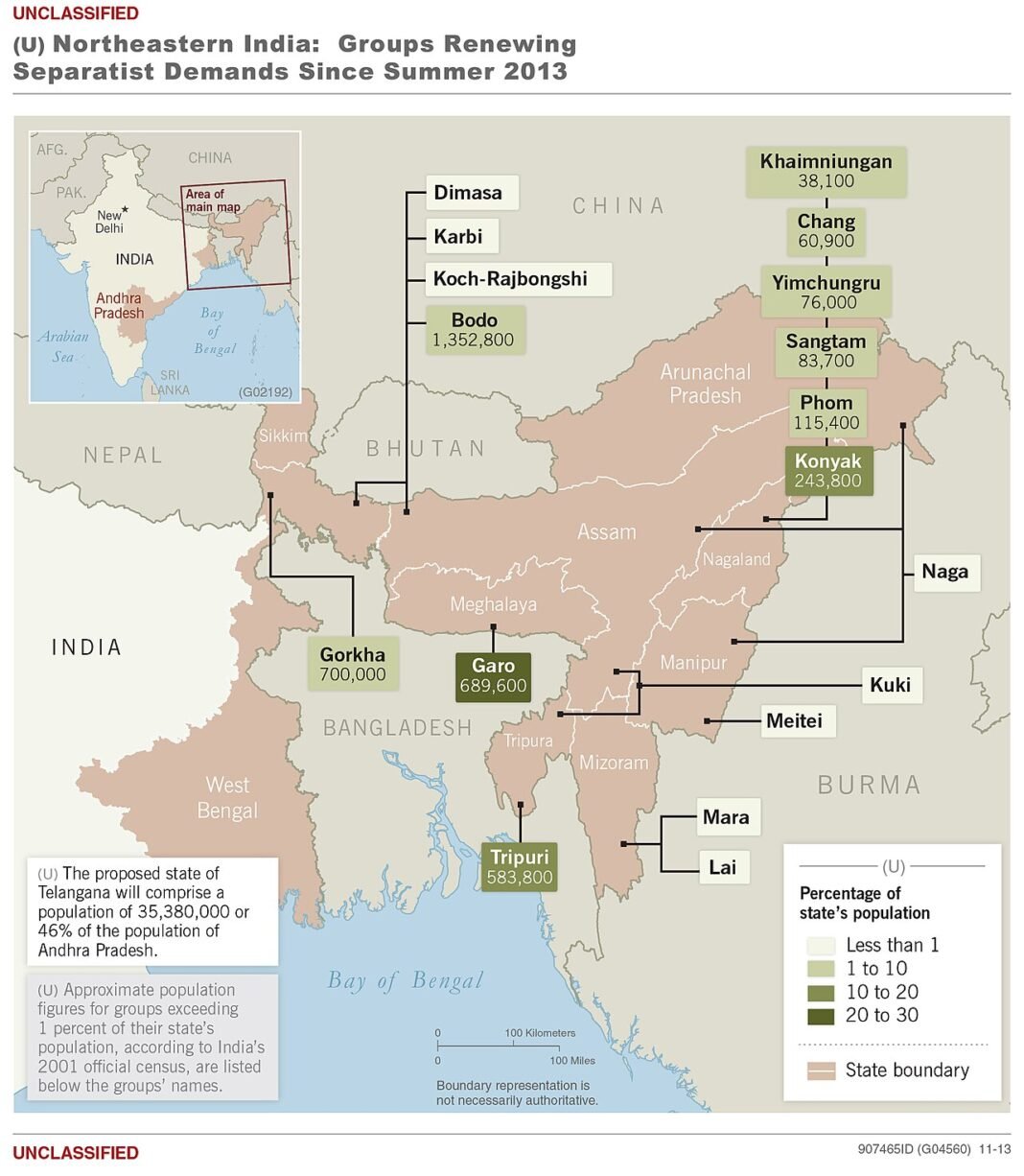
On 7 August, 2026, the 36th Meeting of the Working Mechanism for Consultation and Coordination on India‑China Border Affairs concluded in New Delhi, with no discernible advancement towards resolving the ongoing dispute over the Line of Actual Control (LAC). The meeting, led by Shri Sujit Ghosh, Joint Secretary (East Asia), Ministry of External Affairs, and Ms. Hou Yanqi, Director General of the Boundary and Oceanic Affairs Department of the Ministry of Foreign Affairs, centered on reviewing the situation along the LAC and reiterated the necessity for maintaining peace and tranquillity – a condition repeatedly emphasized by both sides. — the full statement has further detail.

Background
The Working Mechanism for Consultation & Coordination on India‑China Border Affairs (WMCC) represents the primary diplomatic channel established following heightened tensions along the LAC in 2013. Prior meetings have consistently focused on structured discussions and, increasingly, localized engagement through commander-level dialogues. This 36th iteration builds upon the framework established by previous SR Talks, specifically the 24th SR Talks, which addressed broader issues of border demarcation and management.
Analysis
The statement indicates a continued emphasis on existing diplomatic and military channels – the WMCC, local commander-level meetings, and other agreed mechanisms – as tools for resolving outstanding issues. This suggests a recognition that direct negotiations are stalled. The focus on “avoiding misunderstanding and miscalculation” highlights the inherent risk of escalation given the lack of a clearly defined border. The continued reference to issues related to boundary delimitation, border management, mechanism-building, and trans‑border cooperation indicates a multi-faceted approach, but crucially, no substantive progress is reported.
Implications
The WMCC’s ongoing operation underscores the unresolved nature of the India-China border dispute. Should the visit yield no tangible outcomes, it reinforces the perception of a frozen conflict with considerable implications for regional stability. The continued emphasis on trans‑border cooperation – particularly concerning “mechanism-building” and sharing technical details on upstream projects – hints at a protracted period of managing shared resources while fundamental territorial disagreements remain unaddressed. The lack of progress could further complicate trade relations, given the sensitivities surrounding border security.
Outlook
If the Indian side continues to advocate for early convening of the next meeting of the Expert Level Mechanism on trans‑border rivers and if China does not offer a concrete commitment to sharing technical details on upstream projects, then the potential for further friction remains high. Should the WMCC continue to operate solely as a mechanism for managing existing tensions rather than driving substantive dialogue, the situation along the LAC will likely remain fluid and susceptible to localized escalations.
Conclusion
The 36th WMCC meeting provides no indication that the core issue – the contested border – is moving towards resolution. The continued reliance on established channels offers a degree of stability, but ultimately highlights the persistent challenge for both sides in achieving a mutually acceptable outcome.

.jpg)