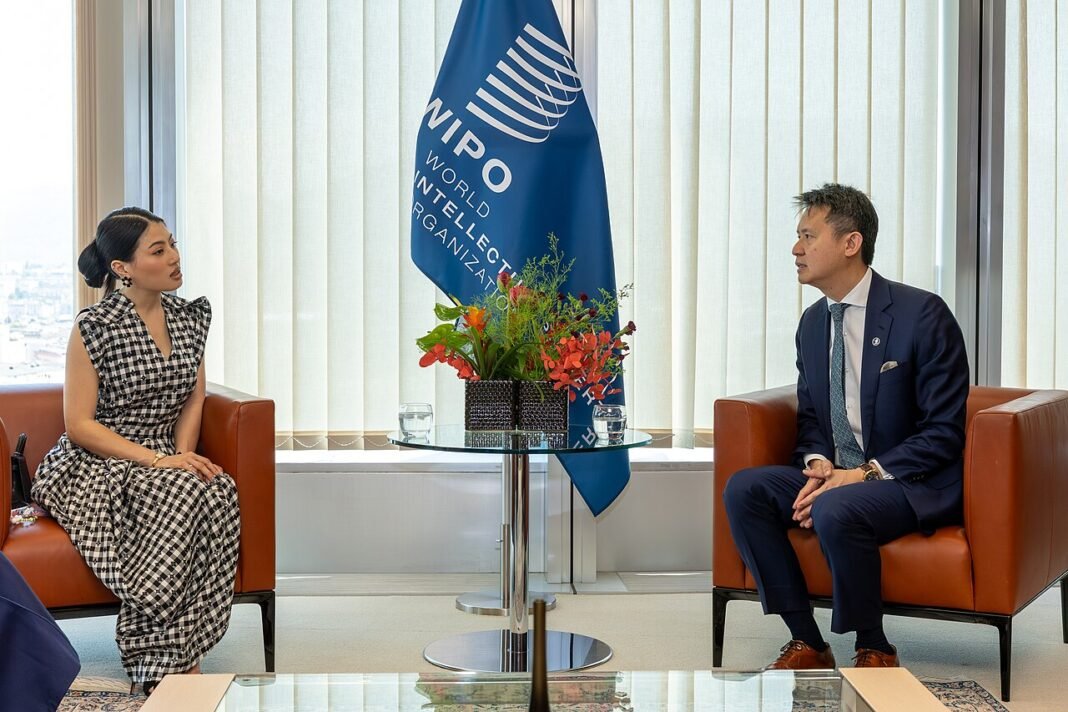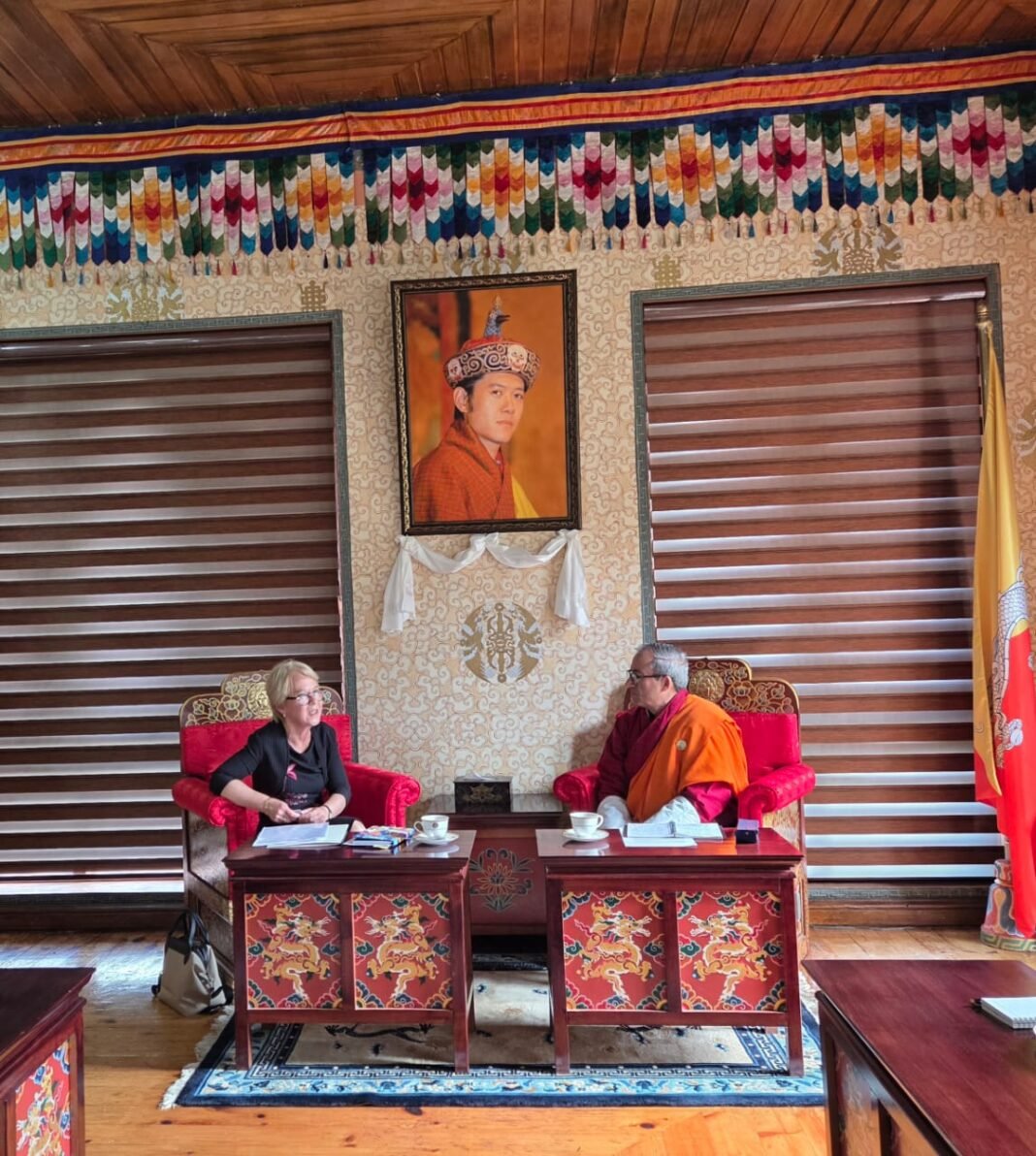
As set out in a formal announcement, The Cambodian Ministry of Foreign Affairs announced on July 31st, 2026, that Deputy Prime Minister and Minister of Foreign Affairs Prak Sokhonn had received a farewell call from German Ambassador Stefan Messerer. This event matters because it represents the culmination of Messerer’s tenure in Cambodia and marks the final stage of a sustained diplomatic push by Phnom Penh to secure continued engagement with key European partners. The statement does not address Messerer’s specific contributions or the duration of his posting.

Background
The Ministry’s readout details a series of interconnected engagements over the past month. These include a courtesy call from Malaysian Ambassador Shaharuddin bin Onn, and the reporting of outcomes from meetings between Sokhonn and European Union leaders in Brussels. The statement references prior meetings with Thai Deputy Prime Minister Sihasak Phuangketkeow in Brunei Darussalam on April 27th, 2026. These diplomatic efforts occur against a backdrop of ongoing negotiations regarding trade agreements and security cooperation – details not outlined within this release.
Analysis
The Ministry’s framing suggests an intent to solidify existing relationships. The repeated references to meetings with EU leaders, particularly in Brussels, implies a strategic prioritization of European engagement. This approach appears designed to counter potential shifts in diplomatic priorities following recent internal political developments within Cambodia. The inclusion of the Malaysian business delegation highlights efforts to diversify economic partnerships beyond traditional European channels. However, the statement does not address the underlying motivations for these meetings or the specific outcomes achieved.
Implications
The continued activity by Sokhonn signals an effort to maintain diplomatic leverage within ASEAN and with key external partners. Should the EU engagement continue at this level, it could provide a degree of stability for Cambodian foreign policy amidst internal challenges. The focus on European meetings suggests a desire to secure investment and technology transfer, areas where Cambodia’s economic development remains heavily reliant on international support. The statement does not address any potential implications for regional security dynamics or the country’s relationships with other major powers.
Outlook
If the visit yielded positive outcomes in terms of trade agreements and investment commitments, as the Ministry suggests, it would bolster Cambodia’s economic prospects. Should this not be the case, and if engagement with European partners remains at its current level, it could exacerbate existing economic vulnerabilities within the Kingdom. The statement does not offer a timeline for future diplomatic activity or specify any benchmarks for measuring success.
Conclusion
The Ministry’s release offers a carefully calibrated narrative of engagement, but leaves fundamental questions unanswered regarding the substance and impact of these diplomatic efforts. The sustained focus on bilateral meetings with European nations raises the question of whether Cambodia is actively seeking to diversify its strategic partnerships or prioritizing existing relationships.