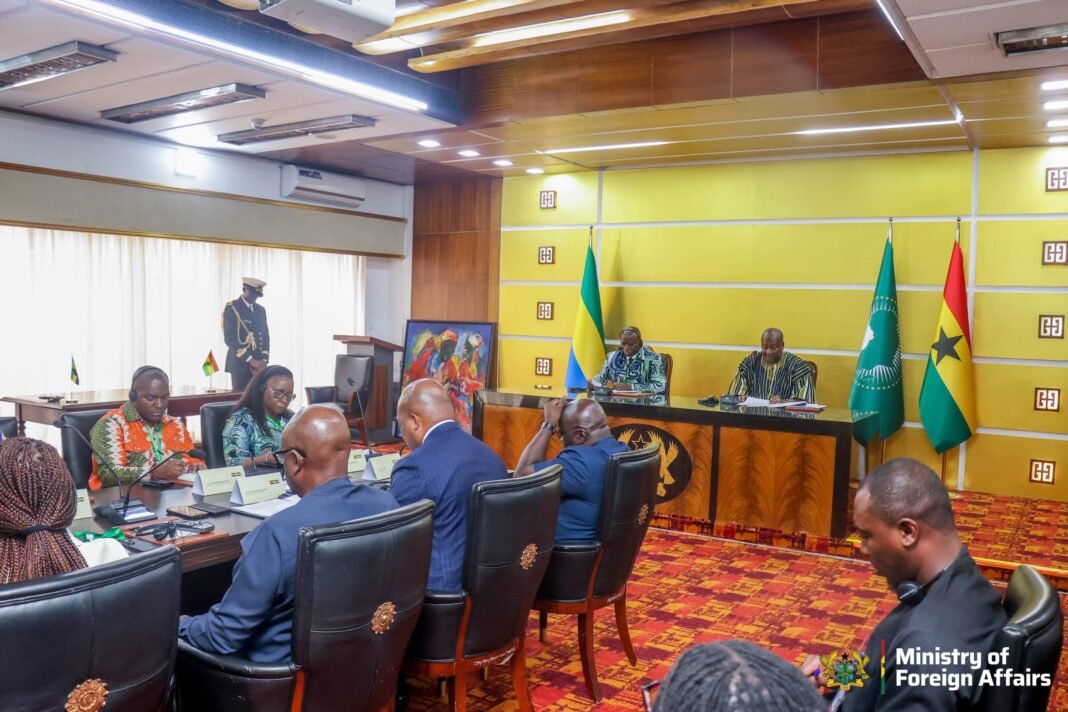
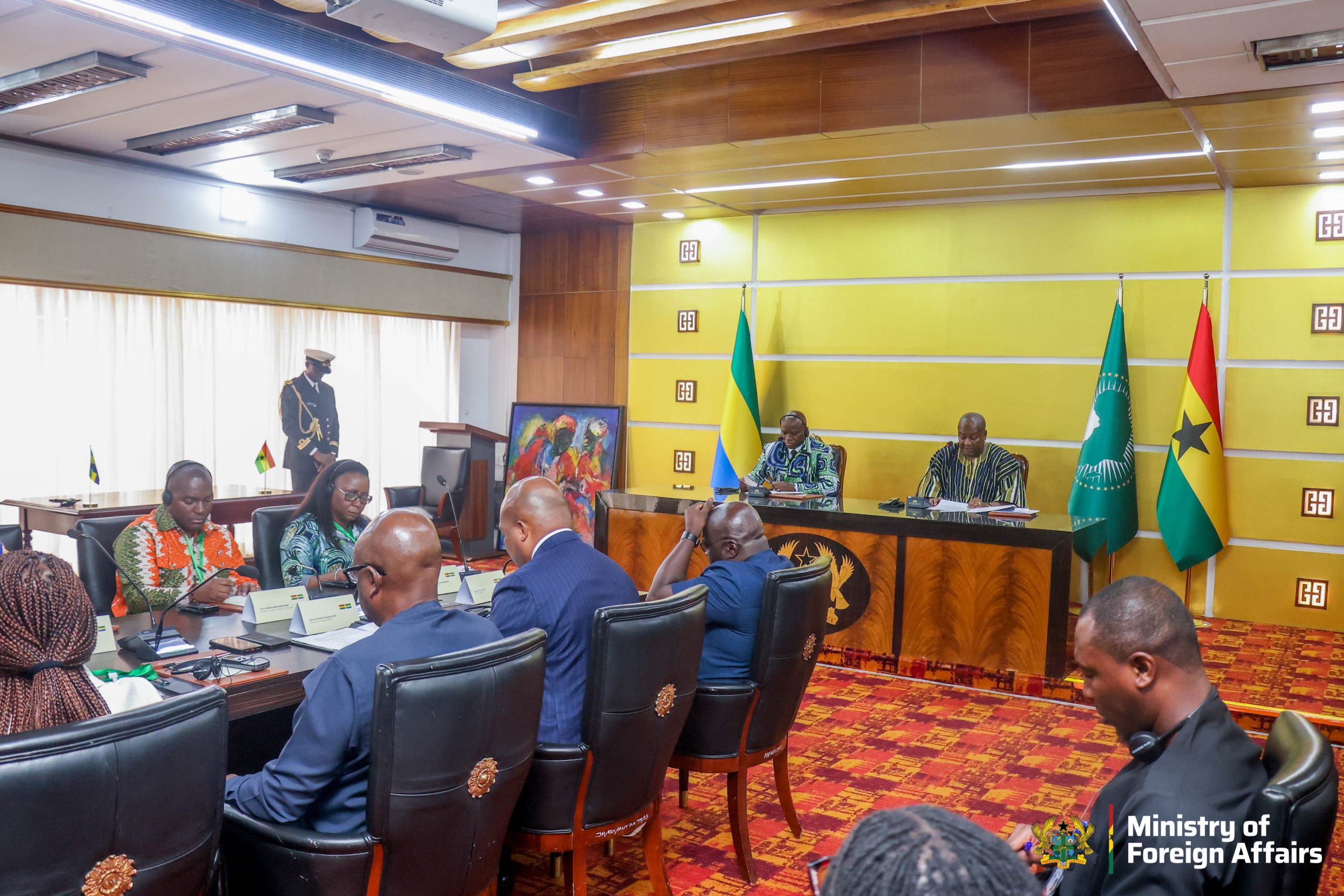
Details in a press release show that Ghana’s President, H.E. John Dramani Mahama, engaged in bilateral discussions with the President of the Gabonese Republic, H.E. Brice Clotaire Oligui Nguema, on Tuesday, 28th July 2026 at the Jubilee House in Accra. The statement indicates a desire to deepen ties between the two nations, driven by a shared recognition of existing friendly relations and mutual benefit. This engagement— culminating in the signing of two Memoranda of Understanding – underscores Ghana’s continued efforts to diversify its economic partnerships beyond traditional European influences.
Background
Prior to this meeting, diplomatic channels had been utilized for sustained engagement between Accra and Libreville. The statement references a “tête-à-tête” between the two leaders, suggesting an initial assessment of priorities before proceeding to broader discussions. This visit forms part of President Oligui Nguema’s three-day official visit to Ghana, indicating a degree of strategic importance attributed to the relationship by the Gabonese government.
Analysis
The bilateral talks reflect a pragmatic approach to strengthening ties, focused on tangible economic collaborations. The agreement to intensify cooperation across multiple sectors – trade and investment, mining, energy, agriculture, maritime affairs – suggests an attempt to mitigate Ghana’s vulnerability to fluctuations in global commodity markets. This is further underscored by the focus on leveraging opportunities presented by the African Continental Free Trade Area (AfCFTA). The emphasis on “sustainable economic development for the mutual benefit of their peoples” represents a standard diplomatic phrasing, but the lack of detail regarding specific investment targets or trade volumes remains notable.
The identification of ‘strategic sectors’ – including oil and gas – suggests an awareness of Gabon’s hydrocarbon resources. However, the statement does not address Gabon’s broader ambitions within regional energy markets or its engagement with international oil companies. The agreement to collaborate on “diplomats’ training” represents a relatively low-risk initiative, focused on institutional capacity building rather than fundamentally altering existing diplomatic practices.
Implications
The signing of these MoUs has implications for regional stability and Ghana’s foreign policy portfolio. If implemented as described, the agreements could contribute to greater economic integration within West Africa. The focus on trade and investment may bolster Ghana’s external accounts, provided it can successfully attract Gabonese capital and expertise. However, the limited scope of cooperation – particularly in sectors like defence and security— raises questions about a broader strategic alignment.
Furthermore, the agreement to enhance collaboration on “maritime affairs” could have implications for maritime security in the Gulf of Guinea, an area increasingly subject to piracy and illicit trafficking. The statement does not address Ghana’s existing partnerships with other naval forces operating in the region or its approach to addressing these challenges.
Outlook
Should the visit yield substantive progress on trade agreements, a more significant shift in bilateral relations could be anticipated. If the MoUs translate into concrete investment projects and increased trade flows, it would represent a positive development for both countries. However, if implementation proves slow or hampered by bureaucratic obstacles, the relationship may remain largely symbolic.
Should the institutional collaboration outlined in the agreements prove effective, it could contribute to greater regional stability – particularly in relation to maritime security and diplomatic engagement. The statement does not provide any indication of a timeline for assessing the impact of the MoUs or setting targets for future cooperation.
Conclusion
The Jubilee House discussions demonstrate Ghana’s continued efforts toward diversification, but the limited nature of the agreements – particularly concerning strategic sectors like defence and security— prompts reflection on the long-term commitment to a deepened partnership with Gabon. The extent to which these MoUs represent a genuine shift in foreign policy priorities remains unclear.