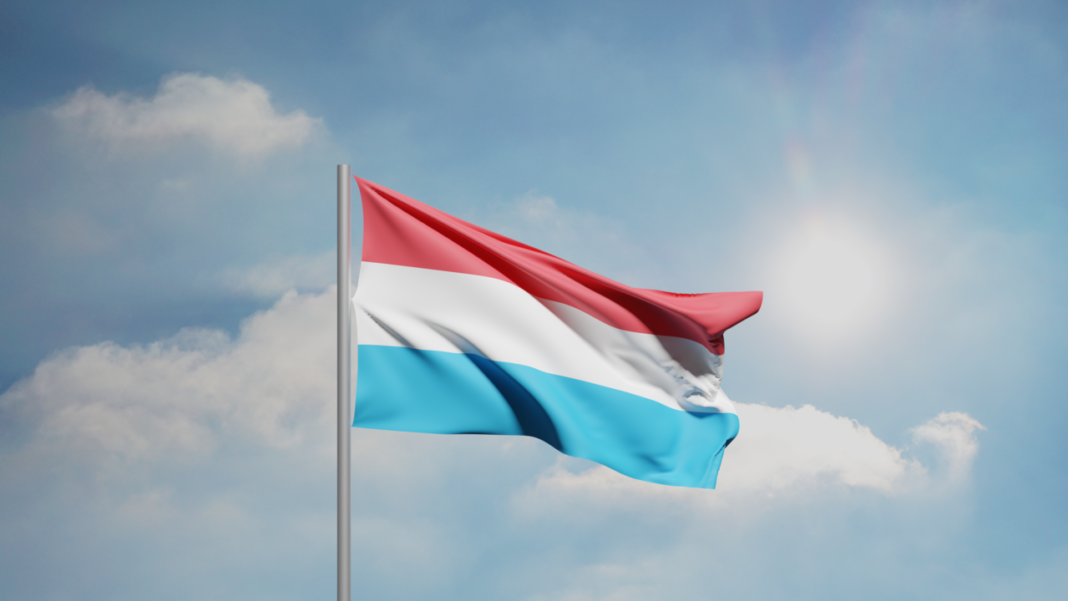

Details in a press release show that
Background
The statement does not mention prior meetings or agreements directly leading to this event. However, the press release references the 209th solemn oath ceremony, indicating an established annual tradition within the Luxembourg Army. The event’s location – the Château d’Useldange – is described as “prestigieux,” highlighting its significance as a landmark associated with foundational military training and national heritage. The timing of the ceremony, occurring on July 28th, 2026, coincides with the planned transition in leadership within the Army, led by General Steve Thull, who will step down as Chief of Staff later that autumn.
Analysis
The core purpose of this event, according to the statement, is the formal induction of newly trained recruits into the Luxembourg Army. Fifty-six individuals successfully completing initial training pledged allegiance to the Constitution, laws, and regulations, signifying a commitment to service within the armed forces. This suggests a deliberate effort by the Ministry of Defence to reinforce national security priorities. The inclusion of Vivien Scholz, a tennis de table athlete, as part of the Army’s sports elite highlights an increasingly specialized approach to military training – preparing for diverse operational requirements. The recognition of top performers amongst the recruits—soldat Hut, soldat Turchi, soldat Schroeder and soldat Romang—further emphasizes the importance placed on skill development and competitive standards within the armed forces. This suggests a shift towards creating more robust and specialized troops.
Implications
The annual ceremony carries implications for regional stability. The Army’s stated goal of developing “troupes robustes, plus opérationnelles et disponibles” indicates Luxembourg’s continued commitment to contributing to collective security efforts within the European Union and NATO framework. The focus on individual specialist training—as exemplified by Scholz—implies an evolving approach to defense strategy, potentially adapting to emerging threats beyond traditional territorial defense. This will likely influence future procurement decisions and require investments in specialized equipment and training programs. The government’s expressed gratitude towards military personnel has broader implications for public support of the armed forces.
Outlook
Should the visit yield continued investment in operational readiness, the Army’s subsequent instruction—focused on “l’instruction individuelle avancée spécialisée”—will be critical. If the government continues to prioritize individual specialist training as described, it could create a more adaptable and responsive military force. However, should recruitment rates remain low, the statement does not address the potential impact on the Army’s operational capacity or its ability to meet future deployment demands.