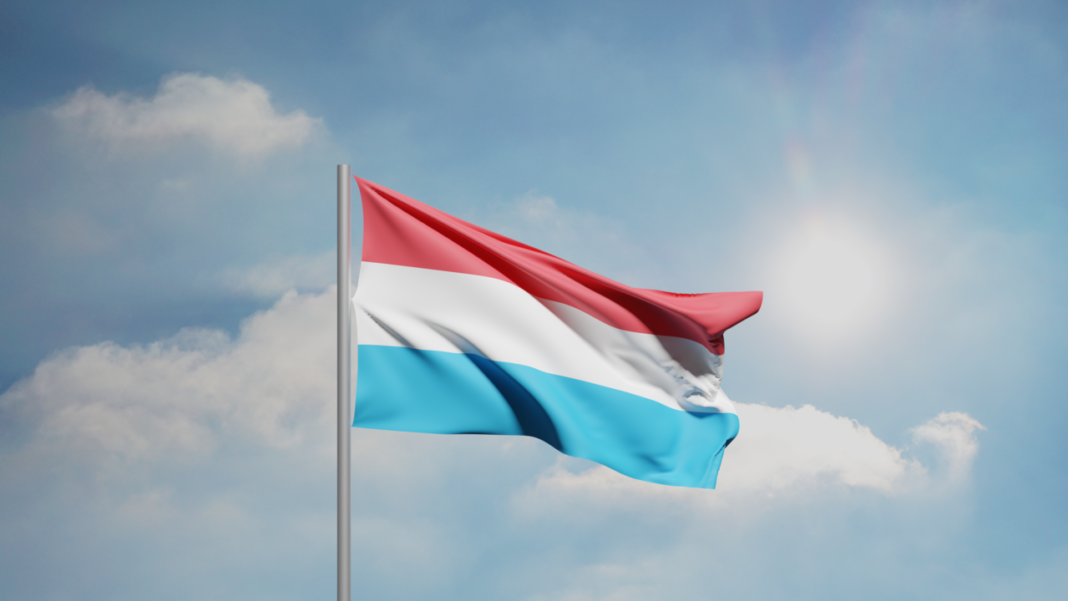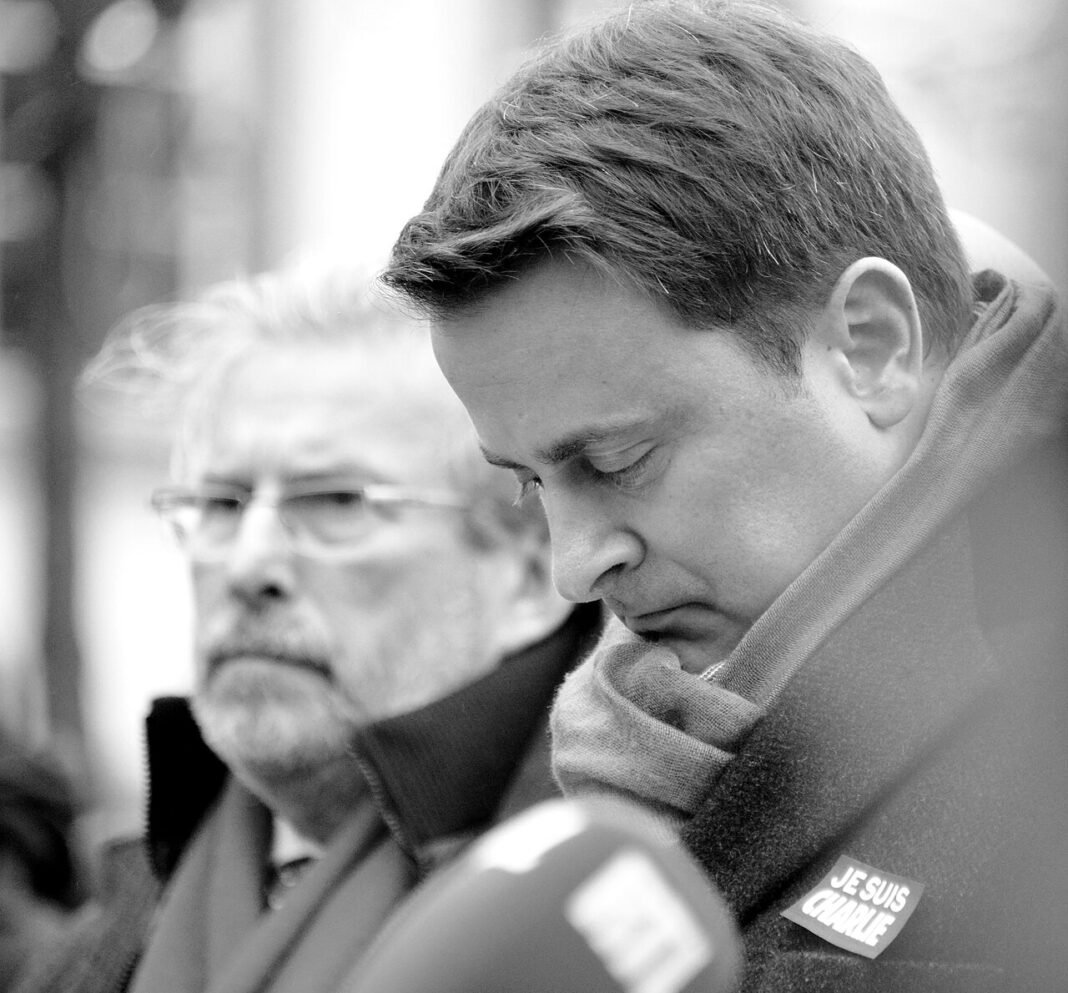

Reporting in a government statement, The statement from the Ministry of Foreign and European Affairs, Defence, Development Cooperation and Foreign Trade indicates that Vice-Premier Minister and Minister for Foreign Affairs and External Trade, Xavier Bettel, undertook a working visit to Montenegro between July 27th and 28th, 2026 . This action – the opening of a Montenegrin diplomatic bureau in Luxembourg – matters because it represents a tangible step in bilateral relations, directly linked to Montenegro’s ongoing bid for membership within the European Union. The press release details the significance of this move as part of an established 20-year relationship between the two nations .
Background: Prior to this visit, Luxembourg and Montenegro maintained diplomatic relations, characterized by annual meetings between senior officials focused on trade and security cooperation within the NATO alliance. The establishment of a dedicated Montenegrin bureau in Luxembourg represents an escalation of this engagement, building upon existing channels of communication established through shared membership in the Organisation for Security and Co-operation in Europe (OSCE). Furthermore, the release highlights that July marked the 20th anniversary of formal diplomatic ties between the countries .
Analysis: The opening of this bureau is primarily driven by Luxembourg’s strategic interest in supporting Montenegro’s progress towards EU accession. This suggests a continued, if somewhat cautious, commitment to bolstering Montenegro’s capacity to meet the stringent criteria demanded by Brussels. The inclusion of digitalization, transition energy and tourism within the proposed areas of cooperation reflects broader European Union priorities regarding sustainable development and economic diversification. The release does not address whether this bureau will be staffed with personnel from Montenegro or Luxembourg, nor does it outline specific operational objectives. This lack of detail is notable given Montenegro’s current position within the accession process .
Implications: For policymakers in both countries, the visit underscores a prioritization of strategic partnerships aligned with European integration goals. Should the visit yield continued support from Luxembourg, it could provide Montenegro with valuable diplomatic leverage in ongoing negotiations with Brussels. Regionally, this engagement contributes to stability within the Western Balkans, reinforcing NATO commitments and demonstrating solidarity with nations pursuing EU membership. The increased focus on tourism—a sector reliant on predictable geopolitical conditions—represents a potentially significant economic opportunity for Montenegro.
Outlook: If Luxembourg continues to signal its support for Montenegro’s accession, it could accelerate the timeline for negotiations regarding chapters of alignment within the European Union. Should this continued engagement be sustained, it would likely provide Montenegro with increased access to EU funding mechanisms and technical assistance. The statement does not address whether the bureau will specifically focus on monitoring progress against the criteria outlined by the Commission or if its role is primarily focused on facilitating dialogue between Luxembourgish and Montenegrin stakeholders.
Conclusion: The opening of a Montenegrin diplomatic bureau in Luxembourg represents an incremental step toward EU integration, but leaves open the critical question of how concretely Luxembourg intends to support Montenegro’s ambitions within the wider European project.