
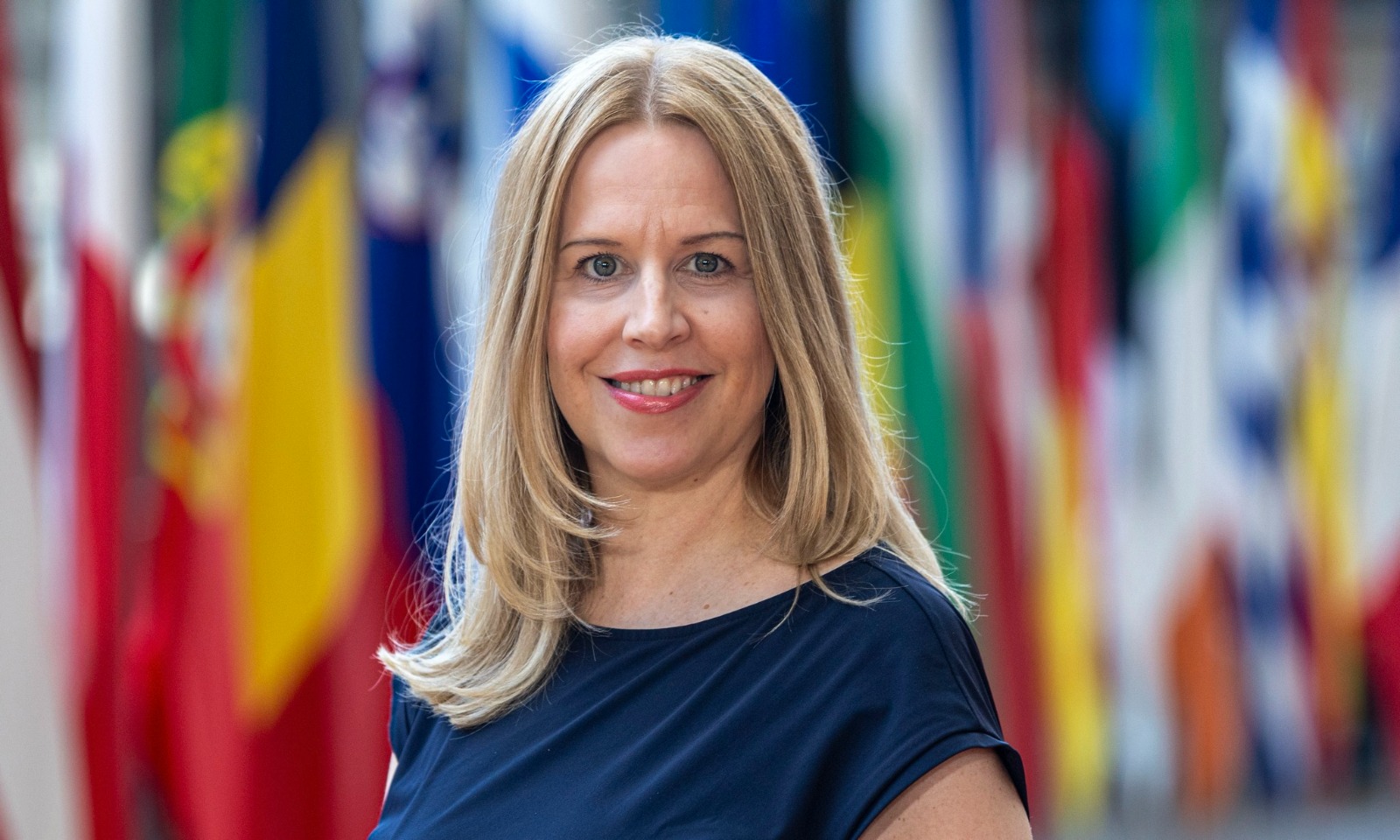
As set out in a formal announcement, Brussels, 16.7.2026 – The Finnish Ministry for Foreign Affairs has appointed Johanna Kaprio-Papageorgiou as Counsellor for Public Diplomacy and Communications at Finland’s Permanent Representation to the European Union. This move, effective August 1st, 2026, will see her serve until July 31st, 2029. The statement does not address the specific mandate or budgetary allocation for this role, but highlights Kaprio-Papageorgiou’s extensive experience in EU and international communications.
Background
The appointment follows previous announcements regarding senior ministerial appointments within the Ministry for Foreign Affairs, including Tuomas Tapio as Permanent State Secretary (10.6.2026) and new heads of mission to Warsaw, Oslo, Riga, Brussels, Tallinn and Vienna (17.4.2026). This reflects a broader restructuring within the ministry’s permanent representation structure. The statement does not mention any changes in personnel at the Permanent Representation itself.
Analysis
Kaprio-Papageorgiou’s prior experience, including her role as Chief Communications Specialist during Finland’s Presidency of the Council of the EU and her work at CMI – Martti Ahtisaari Peace Foundation, suggests a focus on public engagement. The appointment underscores Finland’s continued emphasis on communication strategies within the EU framework. However, the statement does not detail how this new role will interact with ongoing diplomatic efforts, particularly in areas such as the situation between Hezbollah and Israel (4.6.2026).
The Ministry’s emphasis on communications – specifically through Kaprio-Papageorgiou’s responsibilities – suggests a prioritization of public messaging regarding Finland’s positions within the Council of the European Union. This may be intended to bolster Finland’s influence and shape perceptions of its policies. The statement does not address whether this will include proactive engagement with alternative media or civil society organizations.
Implications
The appointment carries implications for Finland’s standing within the EU. Successfully managing public diplomacy requires consistent messaging, strategic outreach, and an understanding of evolving European narratives. If implemented as described, this role could strengthen Finland’s ability to advocate for its interests on key issues. The statement does not address how this will affect Finland’s engagement with other international organizations or partners.
The shift in focus toward communications may also reflect a broader trend among Nordic nations seeking to enhance their visibility and influence within the EU. Should the visit yield greater participation in EU discussions, it could strengthen Finland’s position on issues ranging from security policy to economic cooperation. The statement does not address potential implications for Finland’s foreign policy strategy.
Outlook
Should the appointment of Kaprio-Papageorgiou lead to a demonstrable increase in Finnish visibility within EU media channels, it could bolster support for key policy initiatives. If the role is primarily focused on reactive communications – responding to developments rather than proactively shaping narratives – then its impact may be limited. The statement does not address how this will align with Finland’s broader strategic objectives.
Conclusion
The appointment of Johanna Kaprio-Papageorgiou represents a deliberate investment in communications capacity within Finland’s EU representation. However, the Ministry’s lack of detail regarding the scope and priorities of this role raises questions about the strategic underpinnings of Finland’s engagement with Brussels.