
Background
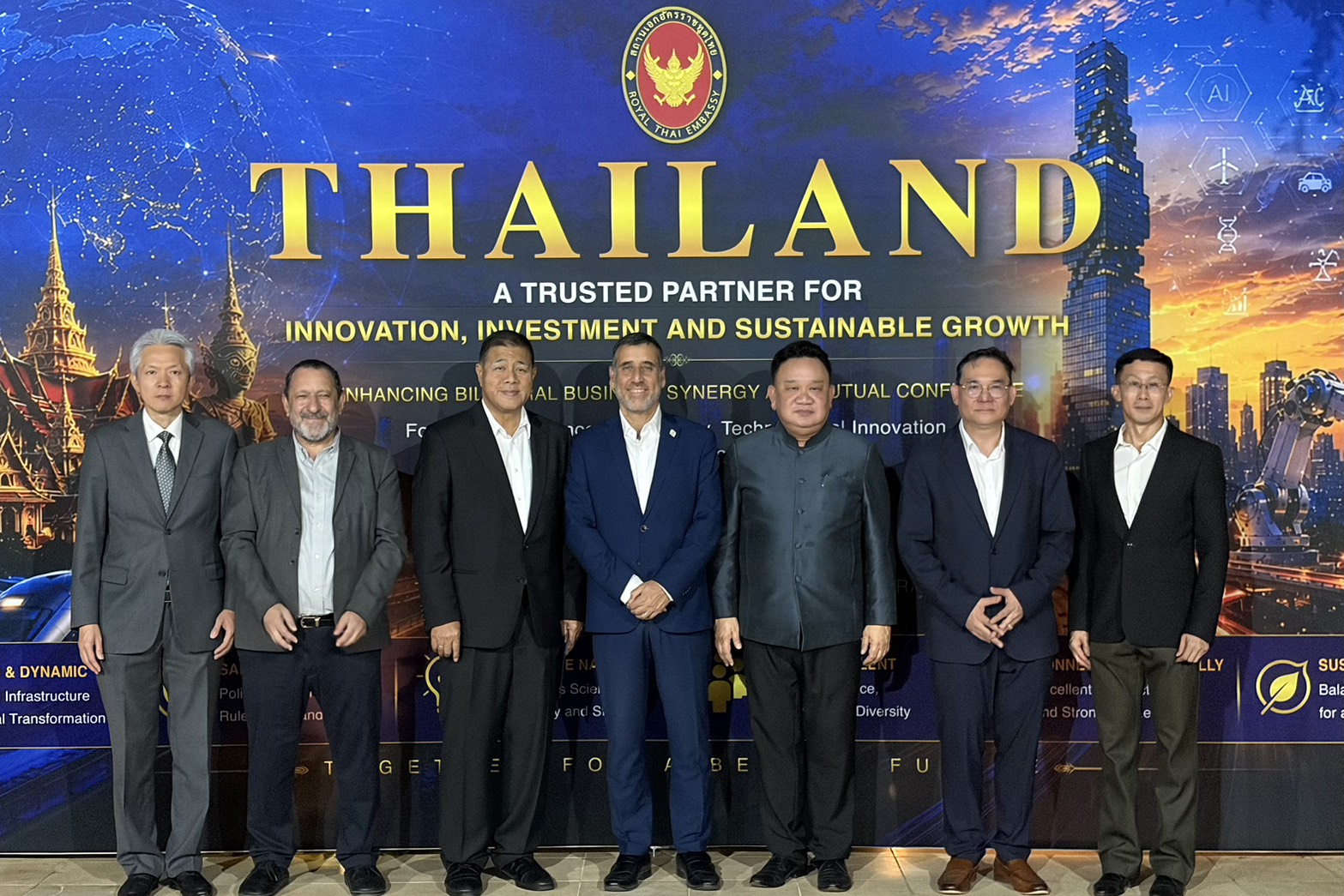
The event, commemorating the anniversary, occurred at the Residence of the Ambassador of Thailand to Israel. The attendance included H.E. Mr. Aviv Ezra, Deputy Director-General for Asia and the Pacific of the Ministry of Foreign Affairs of Israel. This meeting followed a previous agreement – the 20-Year “5S” Foreign Affairs Masterplan – which prioritizes strategic partnerships based on shared interests. The statement does not address any prior discussions or agreements leading up to this reception.
Analysis
The Advisor’s actions represent a deliberate move to broaden Thailand’s relationship with Israel beyond simply acknowledging the existing bond. Delivering a keynote speech focused on “economic potential” suggests an intent to translate diplomatic goodwill into tangible investment opportunities – a key element of the ‘5S’ plan. The subsequent visits, particularly the focus on Thai workers in Israel’s agricultural sector, highlights a growing concern for the welfare of its nationals abroad – arguably a reflection of increased scrutiny and oversight by the Royal Thai Government. This suggests a shift towards prioritizing consular protection alongside economic diplomacy.
Implications
The visit has immediate implications for Thailand’s trade relations with Israel, opening avenues for collaboration in science and innovation, sectors identified within the ‘5S’ plan. More significantly, the emphasis on Thai workers abroad signals a potential strengthening of consular services and increased government oversight of Thai citizens operating internationally – a move which could impact bilateral agreements regarding labor migration. The events at the Be’er Sheva Honorary Consulate and Eilat Border Terminal demonstrate an operational readiness for potential crises involving Thai nationals, reflecting a commitment to proactive risk management.
Outlook
Should the visit yield increased engagement in science and innovation as outlined in the ‘5S’ plan, Thailand could see a demonstrable boost to its technological capabilities. If the focus on worker welfare translates into enhanced consular protections and improved support networks for Thai nationals abroad, it would represent a significant step up from previous approaches. However, should Israeli employers continue to provide inadequate care and support, as indicated by the Advisor’s concerns, this could further strain relations and potentially lead to increased pressure on the Royal Thai Government to intervene.
Conclusion
The July 11th activities represent a carefully calibrated effort by Thailand to deepen its engagement with Israel. The emphasis on economic opportunities coupled with demonstrable concern for its workers abroad establishes a framework – but whether this translates into sustained cooperation remains open to question, particularly given the inherent complexities of managing bilateral relations across diverse sectors.