

A ministry communiqué confirms that
Background
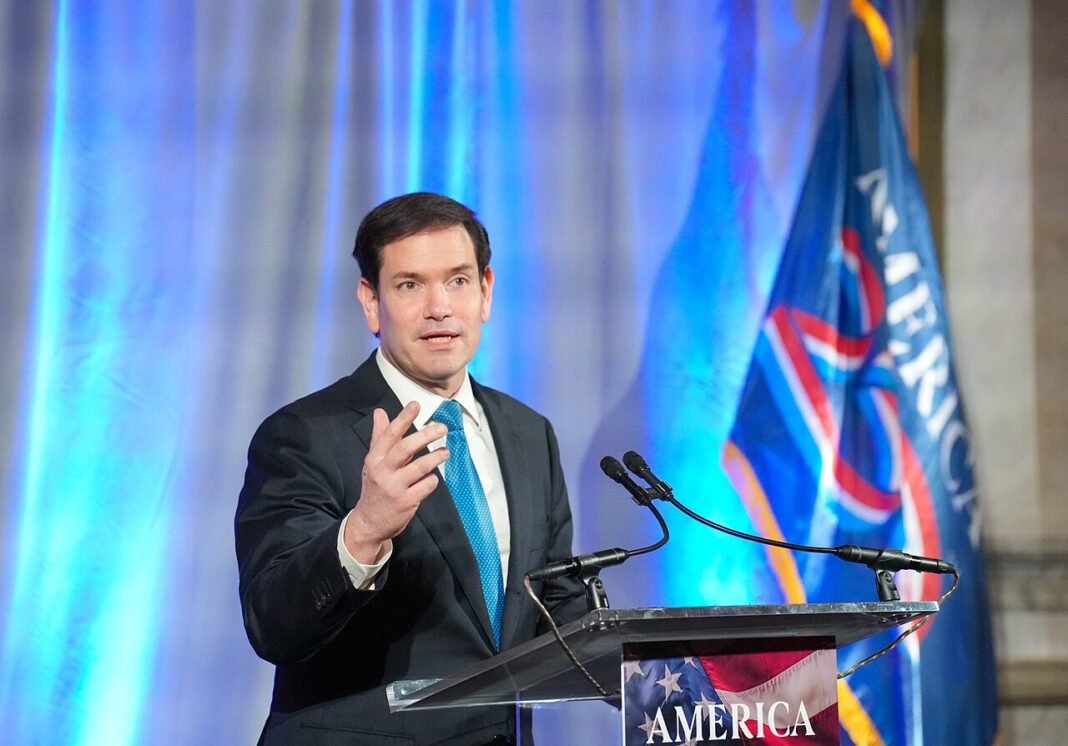
The statement does not mention prior meetings. However, the press release details Secretary of State Marco Rubio’s visit to Athens, Greece, on October 8, 2026, as part of a broader international travel schedule. The statement also notes that the visit precedes a trip to Portugal. The official record from October 5, 2026, at Joint Base Andrews, confirms Rubio’s travel plans to Reykjavík, Athens, and Lisbon between October 5-8, 2026, as detailed in a separate press release. Furthermore, the statement does not address any prior meetings with Lebanese Prime Minister Salam, as documented in a September 28, 2026, release.
Analysis
Rubio’s emphasis on “a strong Europe” and “strong partners” suggests a deliberate effort to reframe the U.S. role within NATO. The statement does not address the underlying motivations for this messaging, but if implemented as described, it appears to be a calculated attempt to reassure European allies regarding U.S. commitment, particularly in light of perceived domestic pressures. The repeated insistence on the collective strength of NATO – “the stronger they are, the stronger we are collectively” – highlights a prioritization of alliance cohesion over individual national interests. The dismissal of reporting concerning Ambassador Guilfoyle’s financial dealings reveals a discomfort with scrutiny of diplomatic operations and a preference for controlling the narrative. This suggests a strategy of minimizing external influence on U.S. foreign policy decisions. The statement does not mention any specific disagreements or tensions within NATO regarding strategic priorities.
Implications
The Secretary’s remarks have significant implications for U.S. foreign policy in Europe. If the visit yields increased cooperation from European partners, it could strengthen NATO’s collective defense capabilities. However, the emphasis on “stronger” allies could also exacerbate existing divisions within the alliance, particularly if some nations are perceived as lagging behind in their commitments. The visit to Athens and Lisbon underscores a focus on reinforcing existing relationships with key allies, particularly Greece, which the statement identifies as a “model ally”. The travel schedule itself suggests a prioritization of stable, predictable partnerships over engagement with more volatile regions. The statement does not address potential ramifications for trade or security agreements within the European Union.
Outlook
Should the visit yield a renewed commitment from European partners to bolster their defense capabilities, the U.S. could leverage this strengthened alliance to pursue its broader strategic objectives. If, however, European nations continue to prioritize domestic concerns and resist increased military spending, the U.S. could face a protracted period of strategic uncertainty. The statement does not address any potential shifts in U.S. policy towards Iran, given Rubio’s assertion that U.S. operational capabilities remain unimpaired. The situation is contingent on the willingness of European allies to meet the stated expectations of increased investment and engagement.



.jpg)