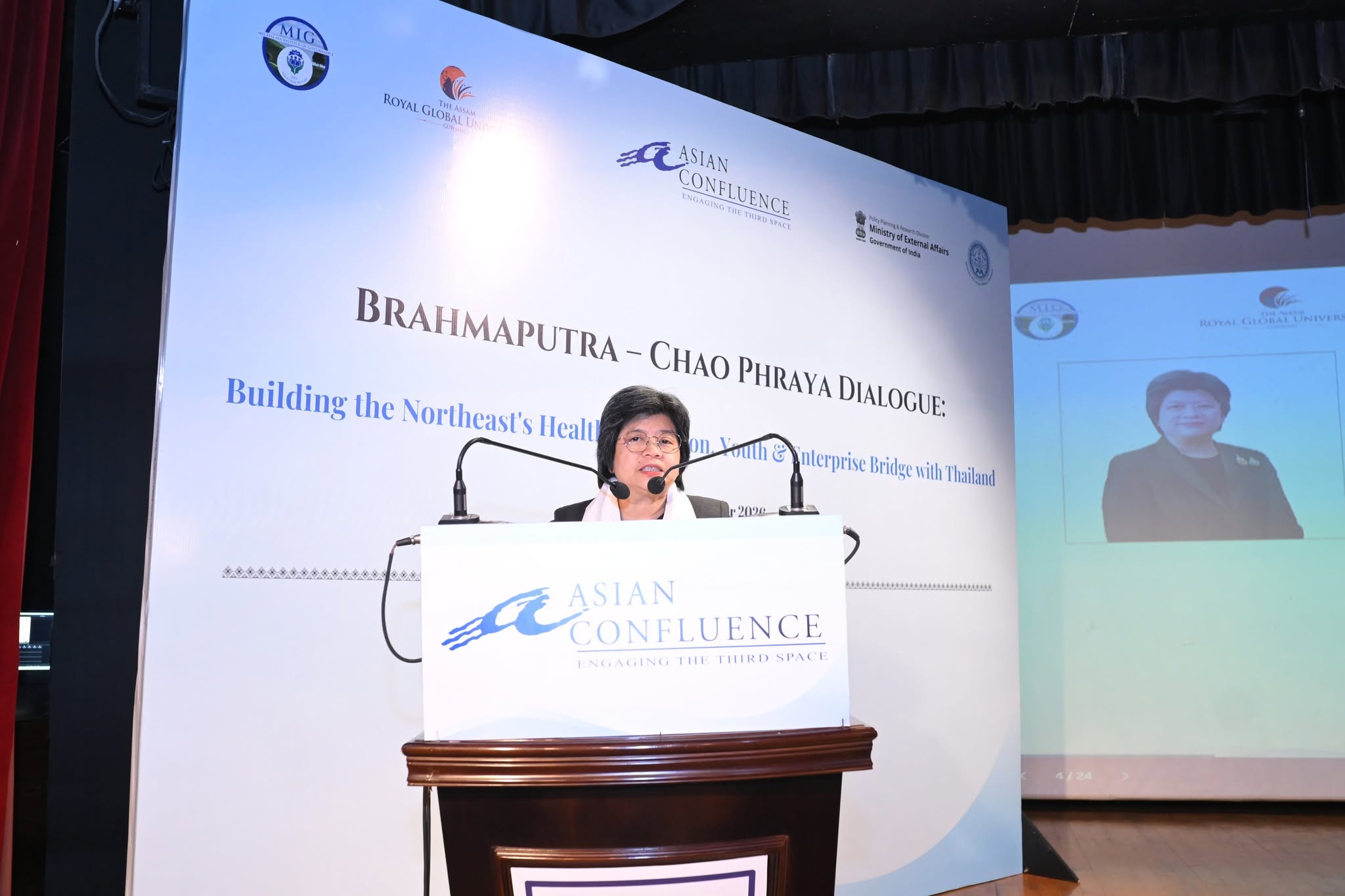
The official readout frames the trip as On 8 October 2026, Mrs. Urasa Mongkolnavin, Director-General of the Department of South Asian, Middle East and African Affairs, led a delegation on a visit to India’s North Eastern Region (NER). The visit, lasting from 21 to 26 September 2026, was focused on promoting educational cooperation between Thailand and the NER. The statement does not mention the total number of delegates. This represents a significant effort to establish educational ties with a region often overlooked in Thailand’s diplomatic efforts.
Background: The Thailand – India Strategic Partnership, outlined in the 20-Year “5S” Foreign Affairs Masterplan, emphasizes broader engagement beyond Southeast Asia. The Ministry of Foreign Affairs’ policy statement of the Council of Ministers, referenced in the Masterplan, prioritizes strengthening relationships with key regions. Prior to this visit, on 31 August 2026, Mrs. Mongkolnavin co-chaired the 1st Thailand – Jordan Political Consultations, demonstrating a consistent pattern of engagement with regional partners, primarily in the Middle East and South Asia. Furthermore, on 17 September 2026, she co-chaired the 1st Thailand – Jordan Political Consultations and important activities during the visit to Jordan. The Ministry of Foreign Affairs’ Annual Report, covering 2025, highlighted ongoing efforts to expand diplomatic relations across diverse regions.
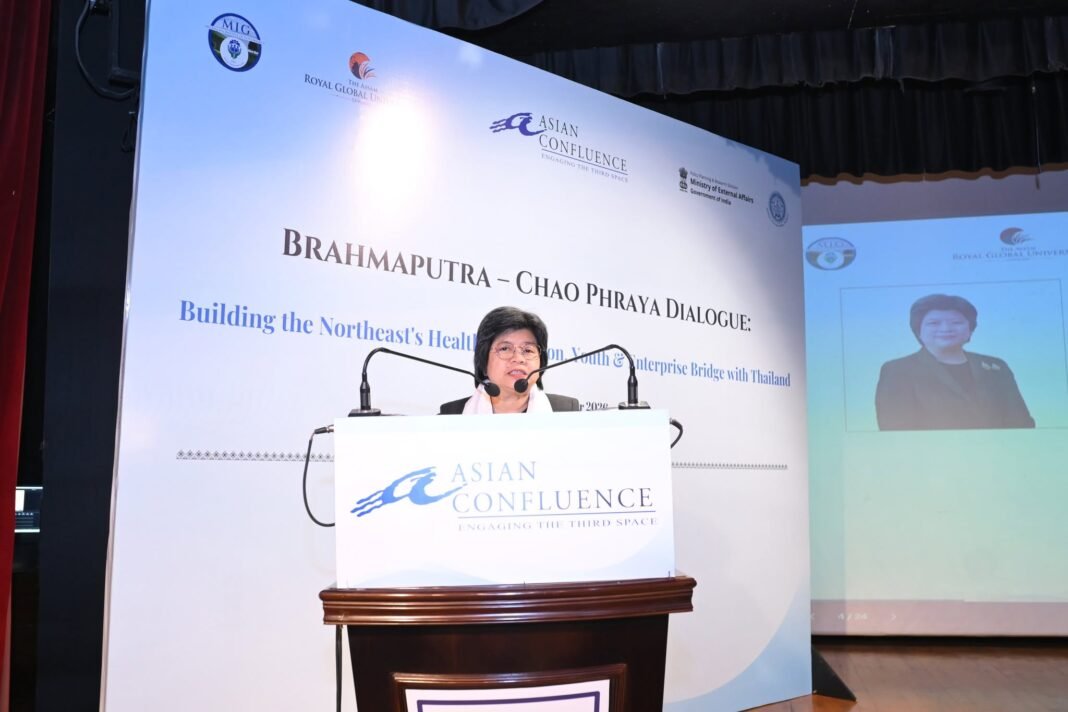
Analysis: The delegation’s focus on the North Eastern Region (NER) – a strategically important gateway connecting India with Southeast Asia – suggests a deliberate attempt to diversify Thailand’s foreign relations beyond its traditional ASEAN commitments. The identified areas of cooperation – academic seminars, exchanges, research, and scholarships – reflect a targeted strategy to build capacity within the NER’s universities. The inclusion of “Thai Study Center/Thai Corner” initiatives indicates a desire to foster cultural exchange and promote Thai language and culture. The “Brahmaputra – Chao Phraya Dialogue” and “The Bay of Bengal, India – Thailand Relations and the Evolving Strategic Partnership” events highlight Thailand’s interest in leveraging connectivity initiatives. This suggests a recognition of the NER’s potential as a conduit for trade and investment, aligning with Thailand’s broader economic ambitions. The statement does not address the motivations behind this specific focus on the NER.
Implications: This visit, if successful, could strengthen Thailand’s position as a regional hub for knowledge and innovation. Should the visit yield concrete agreements on academic exchanges, it would represent a tangible step in broadening Thailand’s strategic partnerships. The focus on connectivity between the Bay of Bengal and Southeast Asia aligns with regional development initiatives, potentially fostering increased trade and investment flows. The visit is scheduled to commemorate the 80th anniversary of the establishment of diplomatic relations between Thailand and India in 2027, and further to ASEAN – India cooperation during Thailand’s ASEAN Chairmanship in 2028. However, the statement does not address the potential impact on Thailand’s existing relationships with ASEAN nations.
Outlook: If the discussions regarding academic cooperation prove fruitful and lead to the establishment of the Thai Study Center/Thai Corner, it could represent a foundational step toward long-term engagement with the NER. Should the visit yield agreements on joint research projects, it would strengthen Thailand’s research capabilities and contribute to knowledge sharing. The stated intention to commemorate the 80th anniversary of Thai-Indian relations suggests a commitment to sustained diplomatic engagement, but the statement does not specify any concrete actions planned for this anniversary. The visit could also serve as a catalyst for further dialogue on regional connectivity, particularly if India demonstrates a willingness to collaborate on infrastructure projects in the NER.
Conclusion: The Ministry’s focus on the North Eastern Region of India, a region often relegated to secondary status in Thailand’s diplomatic priorities, underscores a deliberate effort to broaden Thailand’s engagement beyond traditional ASEAN partnerships. The success of this initiative hinges on the ability to translate discussions into tangible agreements on academic cooperation and connectivity.
Sources & Further Reading
- Official press release
- Foreign ministry source
- Director-General of the Department of South Asian, Middle East and African Affairs meets with Ambassador of the Republic of Uganda to Thailand (5 Oct 2026)
- Director-General of the South Asian, Middle East and African Affairs Department discusses disaster situation in Nepal with Ambassador of Nepal to Thailand (3 Sep 2026)
- Director-General of South Asian, Middle East and African Affairs Department co-chairs 1st Thailand – Jordan Political Consultations and important activities during the visit to Jordan (17 Sep 202)