
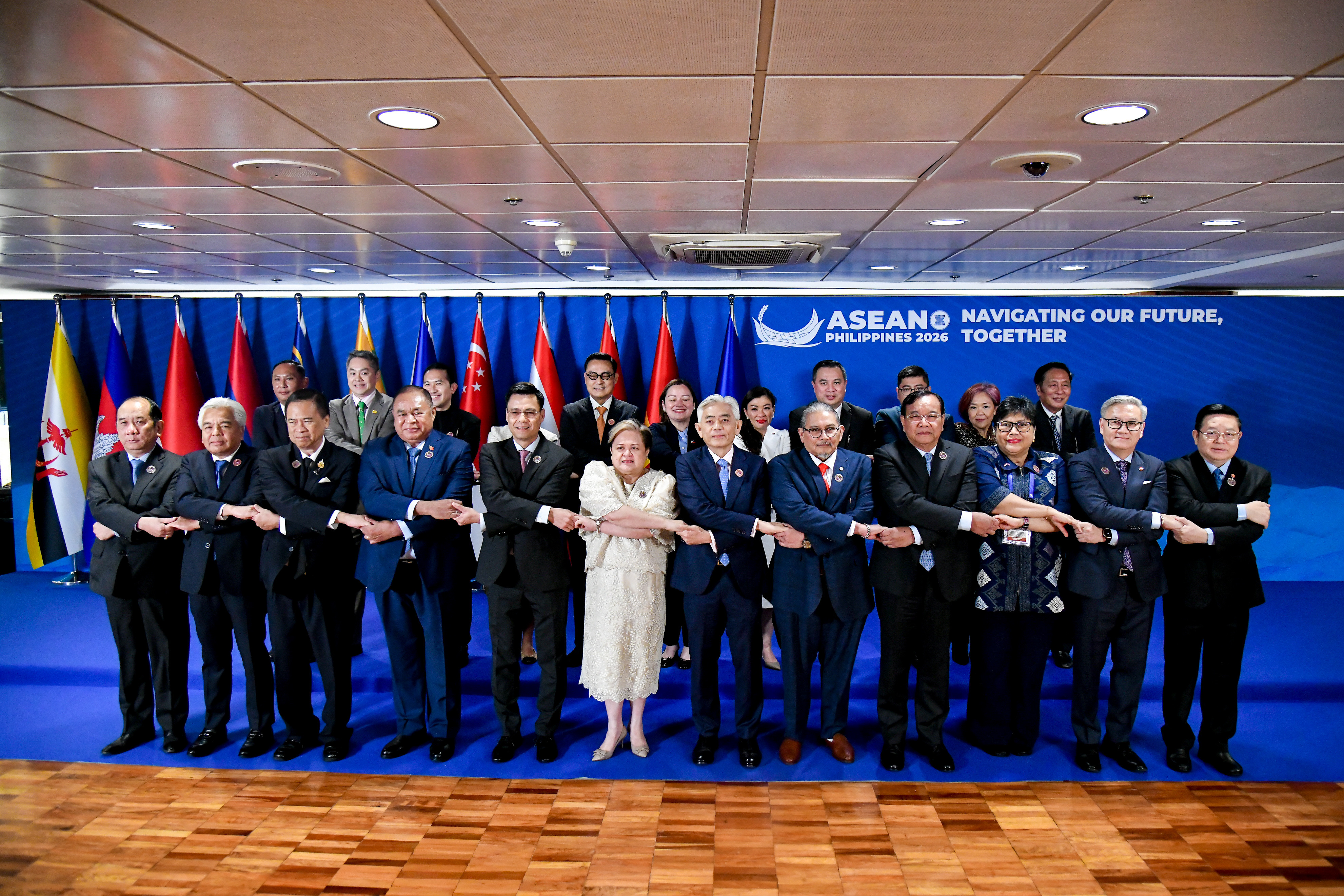
As set out in a formal announcement, The statement released by the Ministry of Foreign Affairs on July 20th, 2026, details Vice Minister Vijavat Isarabhakdi’s attendance at the ASEAN Foreign Ministers’ Interface Meeting with the ASEAN Intergovernmental Commission on Human Rights (AICHR). This meeting, occurring concurrently with the 59th ASEAN Foreign Ministers’ Meeting and Related Ministerial Meetings, represents a recurring engagement designed to advance human rights concerns within the region. The fact that Thailand is prioritizing this interface underscores a growing recognition of its role as a regional security actor – a nation increasingly grappling with complex transnational threats.
Background
The 20-Year “5S” Foreign Affairs Masterplan, outlined by the Ministry, prioritizes Security and Stability as core tenets. This strategic framework, initiated in 2016, guides Thailand’s diplomatic efforts and highlights a sustained commitment to regional cooperation. The AICHR itself was established in 2012 to promote human rights and sustainable development within ASEAN member states, operating independently of national governments. Prior meetings between Thai officials and the AICHR have focused on broader human rights issues, including labor practices and environmental protections; this meeting marks a specific shift towards addressing concerns related to transnational crime.
Analysis
Thailand’s engagement with the AICHR reflects a strategic attempt to bolster its international standing by aligning itself with established human rights mechanisms. The focus on combating transnational crime, specifically online scams – a national priority highlighted in the statement – demonstrates an acknowledgement of vulnerabilities within Thailand’s digital economy. This prioritization is not simply reactive; it suggests a deliberate effort to demonstrate proactive engagement with global security challenges. The support for AICHR’s work on the environment, driven by Thailand’s own initiative regarding the ASEAN Declaration on the Right to a Safe, Clean, Healthy and Sustainable Environment, reveals an attempt to leverage international influence through collaborative frameworks. The continued emphasis on strengthening the AICHR itself signals a recognition of its limitations and a desire for improved operational effectiveness.
Implications
This engagement has implications for regional stability, particularly concerning Thailand’s relationships with countries involved in online scam operations. Increased collaboration with the AICHR could provide Thailand with access to specialized expertise and investigative resources. Furthermore, the reaffirmation of support strengthens Thailand’s standing within ASEAN, potentially influencing broader discussions on security cooperation. The commitment to a stronger AICHR could impact the commission’s ability to effectively address challenges related to human trafficking and other illicit activities – issues that have long been a source of tension between Thailand and some international partners. The focus on transnational crime also highlights potential trade disputes if Thailand’s approach diverges from those of key trading partners.
Outlook
Should the visit yield increased operational cooperation with the AICHR, as suggested by the Vice Minister’s encouragement for further promotion of persons with disabilities’ rights, Thailand could bolster its reputation as a responsible regional actor. If the Thai government continues to prioritize combating online scams and supports efforts to strengthen the AICHR’s capacity, this could foster greater trust within ASEAN. However, if progress remains slow or hampered by disagreements over methodologies, Thailand risks further isolating itself from international partners concerned about human rights concerns related to law enforcement.