
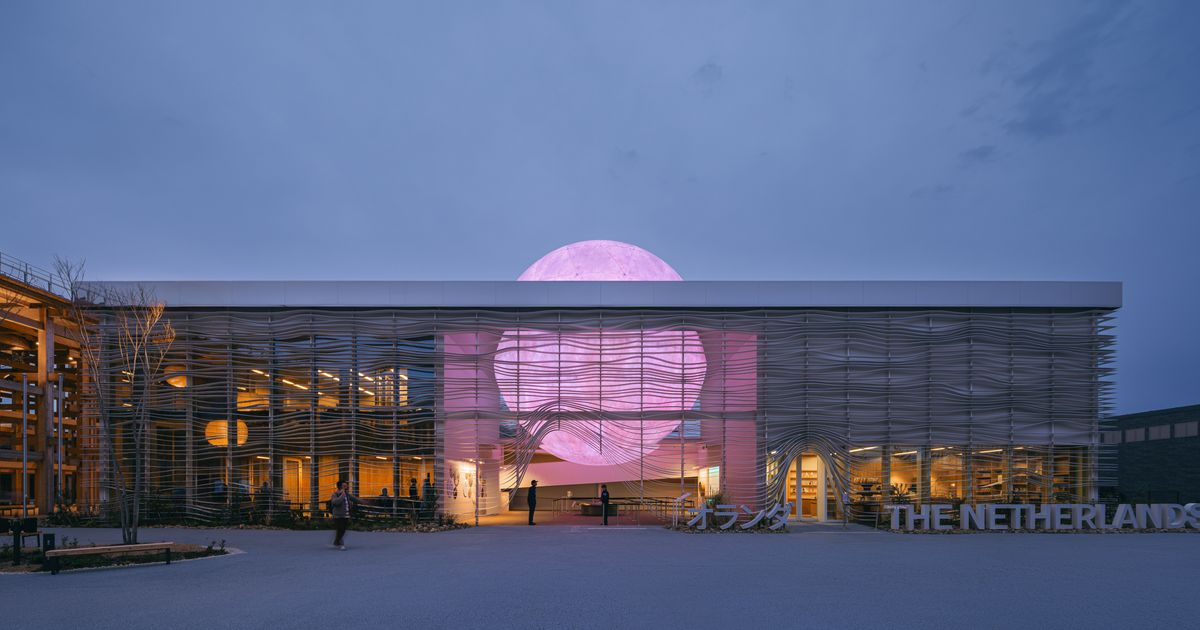
Background
The Netherlands’ participation is framed by a longstanding partnership with Japan, currently numbering 425 years. The statement does not address specific prior meetings or agreements that have shaped this relationship. However, the emphasis on cooperation reflects an acknowledgement of Japan’s status as East Asia’s fourth largest economy and a key partner in broader global security initiatives. This focus aligns with existing collaboration across areas including cyber protection and innovation.
Analysis
The Dutch government’s stated objective—fostering new partnerships and strengthening existing ones—appears driven by a recognition of evolving geopolitical risks. The inclusion of sectors like food security, health, energy, and tech within the programme suggests an attempt to align with Japan’s strategic priorities. Reinette Klever’s comments highlight the importance of Dutch innovation in tackling global challenges – framing it as a critical component for addressing shared concerns. This strategy leverages the Expo as a platform to directly engage Japanese businesses and institutions.
Implications
The Netherlands’ presence at Osaka 2025 carries implications for regional stability, specifically within East Asia. The focus on security cooperation with Japan—including cyber protection—is likely intended to bolster the Netherlands’ position as a reliable partner in a region facing increasing geopolitical tensions. Furthermore, the emphasis on trade and economic resilience reflects broader European efforts to diversify supply chains and reduce dependence on single markets.
Outlook
Should the visit yield continued engagement with Japanese partners, particularly regarding technological innovation, the Netherlands could secure access to advanced solutions in areas like sustainable energy. If Prime Minister Schoof’s official opening of the pavilion is received positively by Japan, it would signal a continuation of this strategic alignment. However, should tensions escalate between Japan and other regional actors, the Netherlands’ diplomatic efforts may be constrained.
Conclusion
The Dutch participation in Expo 2025 provides a visible demonstration of its commitment to international cooperation. The focus on ‘Common Ground’ raises a fundamental question: can this approach effectively translate into tangible, mutually beneficial partnerships amidst increasing global uncertainty?