
Background
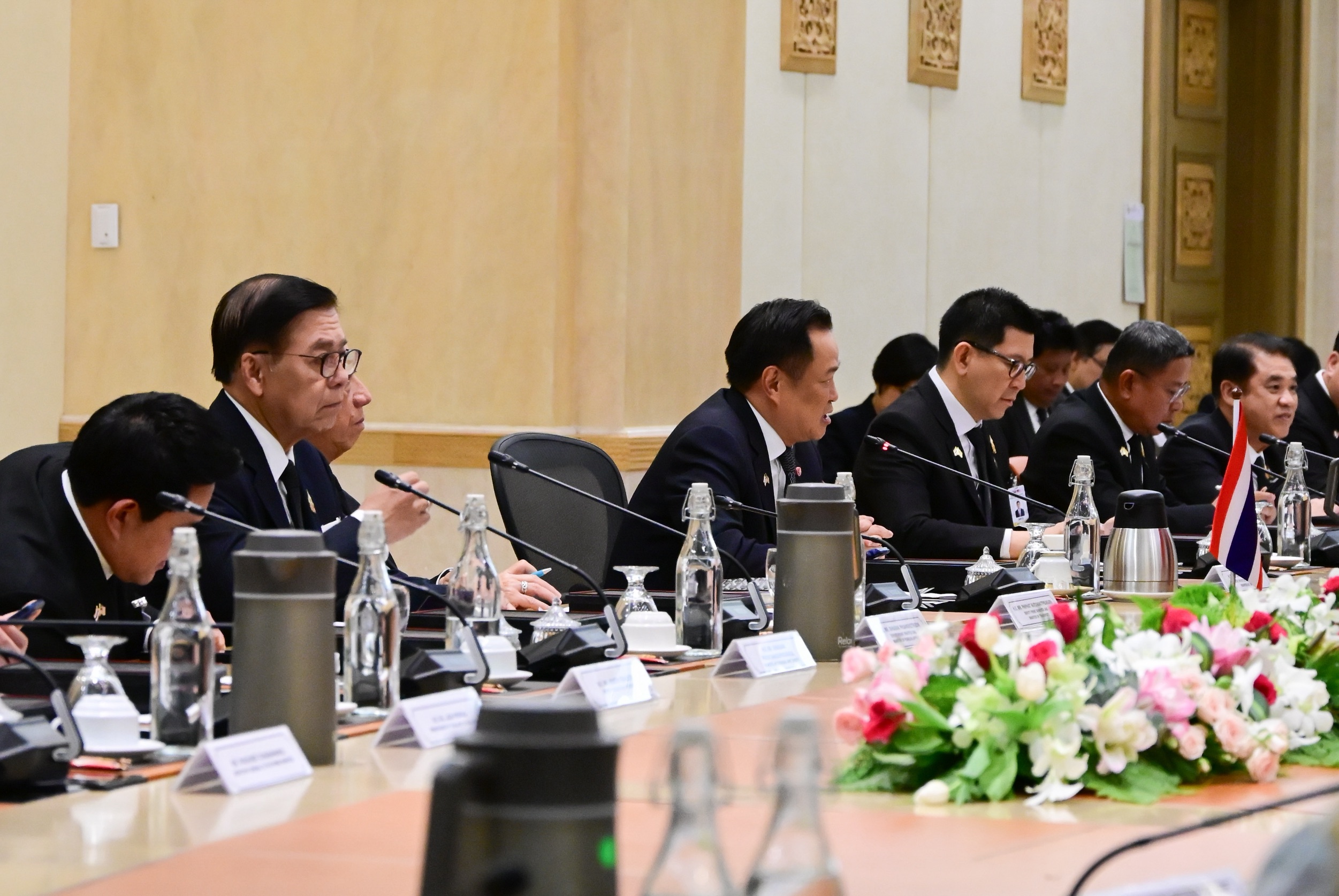
The visit occurred in Putrajaya and on 10 July 2026. It was scheduled as part of preparations for the 70th anniversary of diplomatic relations between Thailand and Malaysia next year. The statement outlines key areas of cooperation, including border security and development, cross-border connectivity, trade and investment promotion, people-to-people relations, as well as cooperation within ASEAN. The visit followed a series of meetings within the Malaysian government.
Analysis
The focus on concrete results, particularly in border security, suggests a prioritization of addressing longstanding issues related to cross-border crime and trade facilitation. The emphasis on “cross-border connectivity” – evidenced by the CIQ Sadao/Bukit Kayu Hitam road alignment – indicates an effort to streamline goods movement and potentially enhance economic interaction. The engagement with the Thai business community demonstrates a strategic intent to bolster Thailand’s commercial interests within Malaysia. The statement does not address any potential challenges or sensitivities related to these cooperative efforts.
Implications
This visit has immediate implications for bilateral trade, particularly in agricultural products, given the Memorandum of Understanding on Agricultural Cooperation. Enhancements to cross-border connectivity could significantly reduce logistical costs and improve supply chain efficiency. The increased engagement with the Thai business community signals a potential shift toward greater private sector involvement in Thailand-Malaysia relations. Should the projects outlined be successfully implemented, they may contribute to regional stability by fostering economic interdependence.
Outlook
If the road alignment project proceeds as planned, it could significantly reduce travel times and trade barriers between Thailand and Malaysia’s southern border regions. If the Memorandum of Understanding on Agricultural Cooperation is effectively executed, this could lead to increased exports of Thai agricultural products to Malaysia. Should the Prime Minister’s meetings with the business community yield concrete investment commitments, this would represent a tangible step forward in bolstering economic ties.
Conclusion
The visit’s success hinges on translating stated intentions into operational outcomes. The statement does not address the specific mechanisms for monitoring progress or resolving potential disputes—leaving open the question of whether Thailand and Malaysia can translate this diplomatic momentum into sustainable, mutually beneficial cooperation.